
Tanzania Safaris
Tanzania Safaris: A Journey into the Heart of Wild Africa
Tanzania is widely recognised as one of the world’s best safari locations, with an unrivalled combination of wildlife richness, spectacular scenery, and a rich cultural history. Located in East Africa, the country boasts magnificent national parks and conservation areas that have come to characterise the classic African safari experience. From the broad plains of the Serengeti National Park to the stunning Ngorongoro Crater Area, Tanzania safaris offer tourists remarkable interactions with nature at its rawest and dramatic.
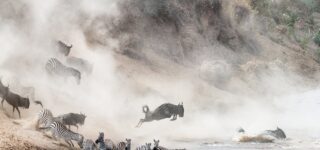
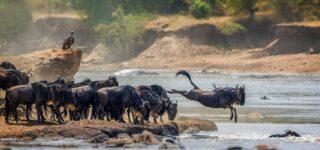
The Serengeti National Park, at the heart of Tanzania’s safari reputation, is a vast ecosystem that stretches endlessly to the horizon. The Serengeti is renowned worldwide for the Great Migration, one of the most spectacular animal migrations on the planet. Every year, over a million wildebeest, accompanied by hundreds of thousands of zebras and gazelles, migrate in a circular pattern in search of new grazing grounds. This journey is triggered by seasonal rains and entails spectacular river crossings, notably at the Grumeti and Mara rivers, where crocodiles wait. Witnessing this spectacle is frequently regarded as a once-in-a-lifetime experience, and it remains a key reason why tourists pick Tanzania for their safaris.
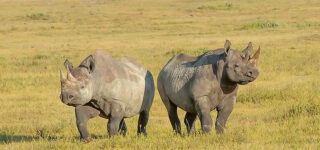
Equally spectacular is the Ngorongoro Conservation Area, a UNESCO World Heritage Site and one of Africa’s most distinctive natural beauties. At its core is the Ngorongoro Crater, the world’s biggest complete volcanic crater. The crater’s sheer walls protect a self-sustaining habitat in which animals flourish year-round. Visitors can see the “Big Five”—lion, elephant, buffalo, leopard, and rhinoceros—in a very small area. The presence of endangered black rhinos and strong predator populations makes Ngorongoro an excellent wildlife watching destination, particularly for those with limited time.
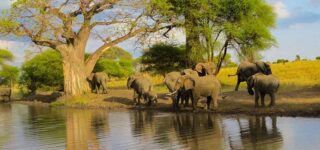
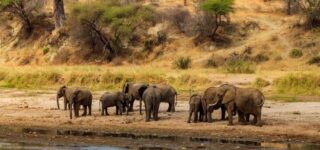
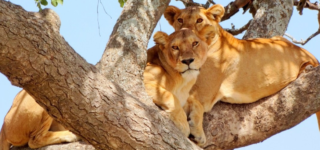
Aside from these well-known places, Tanzania has a surprising array of safari experiences. Tarangire National Park, which is sometimes neglected, is known for its vast elephant herds and old baobab trees that dot the terrain. During the dry season, wildlife gathers along the Tarangire River, providing superb viewing possibilities. Lake Manyara National Park, located at the base of the Great Rift Valley escarpment, is well-known for its tree-climbing lions and diverse birds, including thousands of flamingos that paint the lake’s surface pink.
For those looking for a more secluded and intimate safari, southern Tanzania offers a unique but equally gratifying experience. The Selous Game Reserve, now partly classified as Nyerere National Park, is one of Africa’s largest protected wildlife habitats. Safaris can be undertaken by car, boat, or on foot, providing diverse viewpoints on the environment. The Rufiji River, which flows through the park, draws hippos, crocodiles, and a variety of bird species. Ruaha National Park, another southern treasure, is famed for its rocky terrain, enormous lion prides, and many elephants and wild dogs.
Tanzania safaris are not just about animals; they also provide valuable cultural experiences. The country is home to more than 120 ethnic groups, each with its unique customs and style of living. Visits to Maasai communities are very popular, since they allow visitors to learn about pastoral lifestyles, traditional apparel, and age-old traditions. When performed appropriately and ethically, such cultural encounters enrich and contextualise the safari experience, emphasising the relationship between people and the land.
Tanzania’s accommodation options cater to a wide variety of interests and budgets. Options include elegant hotels and tented campers that merge effortlessly into the natural surroundings, as well as more budget campsites for adventurous guests. Many high-end safari resorts prioritise sustainability by utilising solar electricity, reducing trash, and helping local communities. Falling asleep to the sounds of the African night and waking up to the noises of birds or faraway lions is a distinguishing element of bush life.
Planning a Tanzania safari requires careful consideration of timing. The dry season, which lasts from June to October, is widely regarded as the ideal time to see wildlife since animals congregate around water sources and foliage is less thick. This time also corresponds to crucial periods of the Great Migration. However, the green season, which runs from November to May, has its own attractions. The landscapes grow lush, birdlife thrives, and there are fewer tourists. It is also calving season in sections of the Serengeti, which attracts predators and provides exciting wildlife encounters.
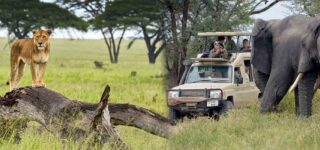
In essence, Tanzania safaris give more than simply game sightings; they foster a deep connection with nature and a better appreciation of Africa’s ecological and cultural diversity. Whether chasing lions over broad grasslands, seeing elephants walk softly through acacia trees, or standing on the lip of a volcano crater at daybreak, a safari in Tanzania makes an indelible imprint. It is a location that captivates the imagination and continues to inspire visitors from all over the world, capturing the authentic essence of the African wilderness.