
Chimpanzee and Gorilla Trekking in Rwanda
Chimpanzee and gorilla trekking in Rwanda ranks among Africa’s most extraordinary wildlife experiences, offering travelers the rare opportunity to encounter great apes in their natural habitat. From the mist-covered slopes of Volcanoes National Park to the dense rainforest of Nyungwe Forest National Park, Rwanda combines accessibility, conservation success, and breathtaking scenery into a single unforgettable adventure.
Gorilla Trekking in Rwanda.
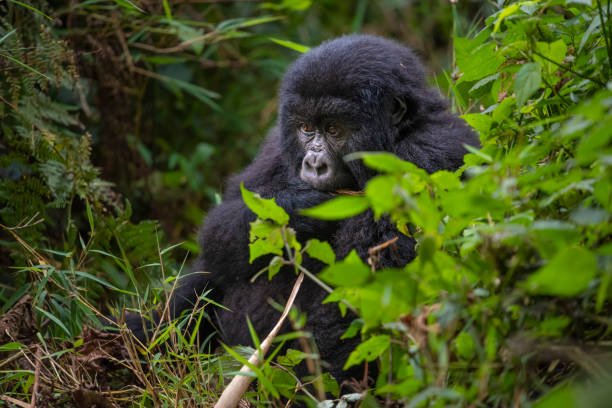
Gorilla trekking takes place primarily in Volcanoes National Park, home to endangered mountain gorillas. These primates live in family groups led by dominant silverbacks and are habituated to human presence, allowing controlled visits.
The gorilla trek early in the morning with a briefing from park rangers, who assign visitors to specific gorilla families. From there, you hike through bamboo forests, volcanic slopes, and dense vegetation in search of the gorillas.
The duration of the gorilla trek varies widely. It can take anywhere from one hour to several hours, depending on the location of the gorilla family that day. Once you find your gorilla family, you will be given a maximum of one hour observing them, watching them feed, groom, and interact socially.
Chimpanzee Trekking in Rwanda.
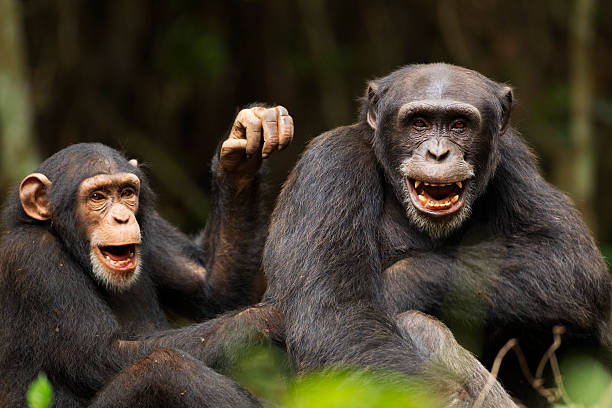
Chimpanzee trekking is typically done in Nyungwe Forest National Park, one of Africa’s oldest rainforests. Unlike gorillas, chimpanzees are more active, vocal, and mobile, which makes the experience slightly more dynamic and unpredictable.
Chimpanzee treks in Rwanda’s Nyungwe Forest National Park often start at dawn (5 am) because chimpanzees are most active in the early morning. You may hear their calls echoing through the forest before you see them swinging through the trees or foraging on the forest floor. Chimpanzee trekking in Rwanda can be physically demanding but is often faster paced than gorilla trekking due to their constant movement.
Best Time to Visit Rwanda for Chimpanzee and Gorilla Trekking.
Rwanda’s climate is relatively mild due to its elevation, but it has two main dry seasons and rainy seasons, which strongly influence trekking conditions.
The dry seasons, which are from June to September and December to February, are the best time for you to travel to Rwanda for gorilla and chimpanzee trekking. These are widely considered the best times for both gorilla and chimpanzee trekking. During these months, trails are drier and easier to navigate, visibility is better for photography, and hiking is more comfortable overall.
The dry season is especially ideal for gorilla trekking in Volcanoes National Park, where muddy terrain can otherwise make hiking difficult.
The wet season is from March to May and October to November. Although trekking is still possible, except that the trails are slippery and muddy, and also expect heavy rainfall. However, there are some advantages to travelling to Rwanda in the wet season; the forest is lush and green, and chimpanzee sightings can actually improve because fruit is more abundant, which keeps the chimpanzee groups more localized, or rather, near. In addition to this, travelers on a budget may also benefit from fewer crowds and potential discounts for some activities and lodges.
What to Pack for your Chimpanzee and Gorilla Trekking Tour in Rwanda.
Packing correctly is crucial for a successful trekking experience. Weather conditions can change quickly, and the terrain is often steep, wet, and covered in dense vegetation. Some of the essentials that you should pack include;
- Long-sleeved shirts and long trousers to protect you from insect bites and plants.
- Moisture-wicking base layers
- Lightweight fleece or jacket for cold mornings
- Waterproof Jacket or Poncho
- Neutral-colored clothing, like dark/forest green and brown.
- Waterproof hiking boots with a strong grip
- Elastic stockings or gaiters
- Small backpack with rain cover
- Trekking pole or walking stick
- Garden gloves or hiking gloves
- Hat or cap
- Sunscreen cream and insect repellent cream
- Reusable water bottle
- Camera and extra batteries
What to expect during your Chimpanzee and Gorilla Trekking Tour in Rwanda.
Physical Demands
Both chimpanzee and gorilla trekking in Rwanda can be physically challenging. The terrain includes steep slopes, thick vegetation, and muddy paths. Hikes can last several hours, so a moderate level of fitness is recommended. However, guides often tailor routes based on group ability, and porters are available to help carry bags and assist on difficult sections.
Close Wildlife Encounters
The highlight is the moment you come face-to-face with a gorilla or chimpanzee. Gorilla encounters are calm and intimate, while chimpanzee encounters are energetic and lively. However, to have the best experience during your chimpanzee and gorilla treks in Rwanda, you must follow a couple of rules, such as;
- Maintain a safe distance of at least 7-8 meters from the chimps or gorillas and wildlife in general.
- Avoid sudden movements, as that might spook the animals
- Do not eat or drink near wildlife.
- Always be quiet and avoid making sudden loud noises
Weather Conditions
Even in the dry season, you can expect some rain, mist, or humidity in rainforest destinations. Waterproof gear is always recommended.
Conservation Experience
Both chimpanzee and gorilla trekking permits contribute directly to conservation efforts and local communities. Rwanda is known for its strong conservation model, which has helped increase chimpanzee and mountain gorilla populations.
Many travelers combine gorilla trekking in Volcanoes National Park with chimpanzee trekking in Nyungwe Forest National Park. While the parks are several hours apart, the combination offers a richer primate experience. You can also add other activities to your itinerary, such as cultural tours, boat cruise tours, mountain hiking, and wildlife game drives in Akagera National Park.
In conclusion; Chimpanzee and gorilla trekking in Rwanda is a once-in-a-lifetime experience that blends adventure, conservation, and deep connection with nature. The best time to visit is during the dry seasons from June to September and December to February, when trekking conditions are most favorable.
With the right preparation, especially proper clothing, waterproof gear, and physical readiness, you will be well-equipped to enjoy this remarkable journey. Whether you are quietly observing a gorilla family in the mist or tracking energetic chimpanzees through an ancient forest, Rwanda delivers an unforgettable wildlife encounter that few destinations in the world can match.