
How difficult is Gorilla Trekking in Rwanda?
How difficult is Gorilla Trekking in Rwanda? Gorilla trekking in Rwanda is renowned as the best wildlife experience on earth. Hiking along misty highlands, through thick rainforest, and on volcanic hillsides to come face-to-face with this endangered species is exhilarating and soul-stirring.
Many travellers who think of taking a safari to Rwanda ask the same question before they book: How difficult is gorilla trekking in Rwanda? Gorilla trekking isn’t an extreme trip, but it certainly requires more stamina than a typical safari drive. Knowing what to expect enables travellers to prepare mentally and physically for the rewarding adventure.
Gorilla trekking is done in Volcanoes National Park, a lush green paradise nestled within the Virunga Mountains at the borders of Rwanda, Uganda, and the Democratic Republic of Congo.
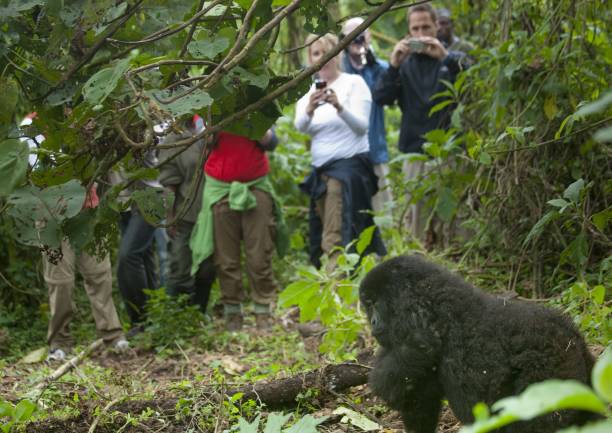
A number of habituated groups of this critically endangered mountain gorilla reside within the park, and visitors are able to track them on guided treks with professional rangers.
Instead of seeing animals from the confines of a vehicle, as you would on traditional wildlife safaris, gorilla trekking takes travellers into the forest in search of gorilla groups as they live. How hard travellers hike varies from day to day, based on the movement of the gorillas.
Terrain and Hiking Conditions
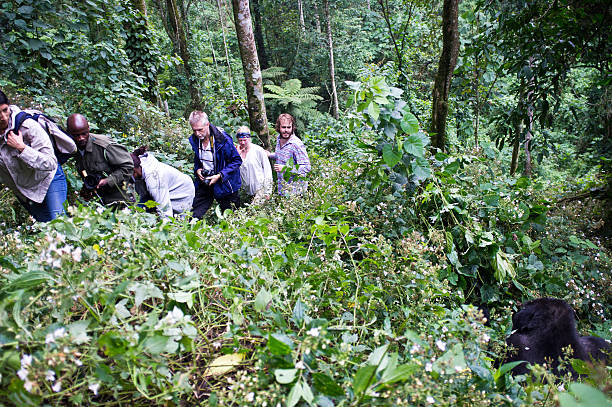
One of the main factors that determines how difficult gorilla trekking feels is the terrain. Volcanoes National Park is composed of steep volcanic slopes blanketed by dense rainforest cover. Trails are rough, and travellers may find themselves navigating muddy trails, uneven terrain, roots, and heavy underbrush.
Trekkers may pass through bamboo woodlands, along islets, and through dense jungle. In some places, trekkers need to step over fallen logs or scale short slopes. Since gorillas live in the wild, there are no set routes, but on occasion, guides make trails with machetes.
Altitude also contributes to the difficulty. The park lies at an altitude of about 2,400 to 4,500 meters. Even fairly easy hikes can feel more demanding because of the thin air, especially for those not used to high elevations.
Treks are organized by the ability of the visitor, as much as possible, given the challenges. Rangers often provide easier gorilla groups to travellers who prefer shorter treks.
Duration of the Trek
The length of a gorilla trek is unpredictable. Some groups encounter gorillas within 30 minutes, whereas others may hike for hours to find them. Trekking usually lasts 2 to 6 hours, inclusive of ascent and descent.
It’s this uncertainty that can make the experience physically challenging, as trekkers need to be mentally prepared for an abrupt end to their trek at any time. When the gorillas are found, trekkers are allowed to spend one hour with them observing, no matter what the length of time the hike is.
Weather Challenges
The rainforest climate in Rwanda is one of the factors that make trekking so challenging. Gorilla trekking takes place all year, and rain is to be expected even in the dry seasons.
Rain makes trails muddy, slippery, and more physically demanding. Humidity can also make hiking feel a lot more tiring than trekkers think.
The temperature is usually mild, but on higher altitudes it can feel chilly. Good preparation is a big help. Waterproof hiking boots, rain jackets, and gloves make the trek much more comfortable and safer.
Mental and Emotional Challenges
Not only is it physically challenging, but gorilla trekking is also mentally challenging. Trekking through dense jungle with no time frame for how long the hike will last takes a lot of patience and endurance.
But when forgers meet a family of gorillas, exhaustion often converts into awe. Watching gorillas eat, groom, and play only meters away fires up a connection that many travellers say changes their lives.
The anticipation and effort add to the experience, and the encounter feels as if it’s earned rather than being passive.
Physical Fitness Requirements
There is a popular misconception that gorilla trekking needs strong athletic skills. Most individuals with an average level of fitness can make it.
Travellers don’t have to be professional trekkers, but they should be at least comfortable with:
- Walking uphill for long stretches
- Hiking on rough trails
- Standing and walking for a few hours
- Adapting to humid and dirty conditions
Older travellers often have great success, and many hikers in their 60s and 70s finish the trek every year. The main thing is to pace themselves and listen to the guide.
To hire a guide or Porter, who is strongly recommended, trekkers can do so at the park gate. Porters carry backpacks, help on difficult terrain, and can provide assistance if anyone slips on the trail, lessening the physical burden of hiking.
With good preparation, realistic expectations, and a bit of an explorer’s attitude, the trek through the Rwandan rainforest becomes as memorable as the magical encounter with the mountain gorillas themselves.
If travellers want to indulge in a wildlife experience of a lifetime that combines adventure, conservation, and powerful connection, trekking mountain gorillas in Rwanda is a memorable challenge that pays back for each step taken along the trail.